Understanding Bioavailability in Herbal Supplements: A Technical Guide for Buyers
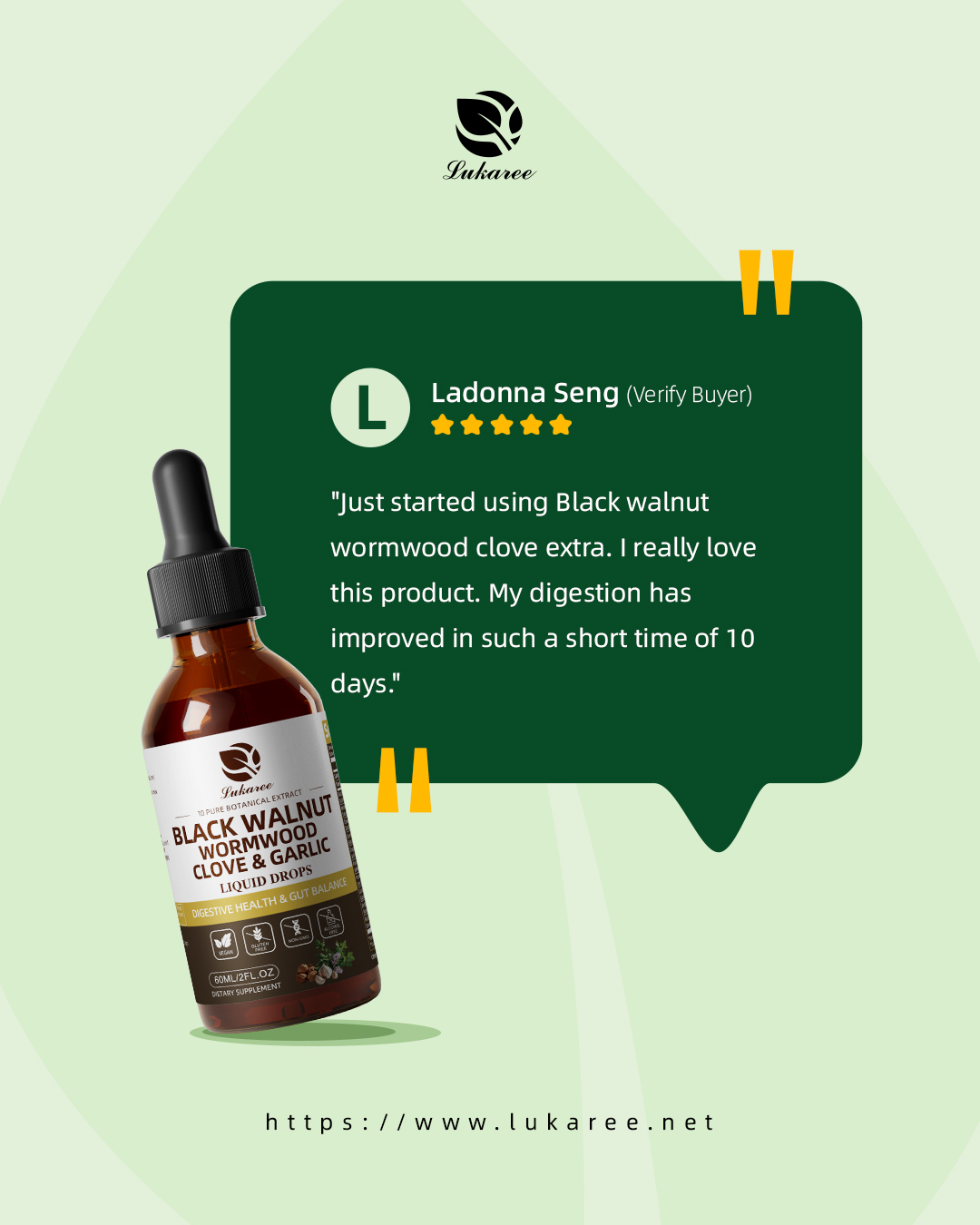
Bioavailability is the parameter most herbal supplement labels never quantify.
Two herbal supplements can list the identical dose of the same botanical extract and behave completely differently inside the body. One delivers a usable concentration of active compounds into circulation; the other passes through the digestive tract largely unabsorbed. That difference is bioavailability, and it is the parameter most herbal supplement labels never quantify. For buyers weighing liquid herbal extract drops, liposomal liquids, and herbal capsules, understanding what bioavailability metrics actually measure, and which absorption claims can be verified, is the fastest way to stop paying for milligrams that never reach the bloodstream.
This technical guide covers the four parameters behind every absorption claim, how liquid extracts, liposomal delivery systems, and capsules genuinely differ, the certification checkpoints that anchor those claims, and a seven-step evaluation sequence you can run before you buy.
What Bioavailability Actually Measures in a Herbal Supplement
Bioavailability describes the proportion of an ingested active compound that reaches systemic circulation in a form the body can use. On a herbal supplement label, three separate concepts are routinely collapsed into that one word:
- Content — how much active compound is physically present in the raw material or extract.
- Release — how much of that compound survives digestion and is liberated from the tablet, capsule shell, or liquid matrix.
- Absorption — how much crosses the intestinal wall into circulation.
A product can score well on content and still perform poorly on absorption. That is why a line such as a 1,000 mg herbal blend carries limited information: it describes raw material weight, not deliverable actives. Two labelling conventions do carry usable information. An extract ratio, such as a 10:1 concentrate, indicates how much raw botanical was concentrated into a single unit. A standardised extract names a marker compound and the percentage at which it is guaranteed, which gives a buyer a consistent reference point from batch to batch.
The practical rule follows directly: if a label lists neither an extract ratio nor a standardised marker, there is no way to judge whether the stated dose is meaningful.
Why Bioavailability Became a Real Buying Variable
Format used to be a lifestyle preference. It is now a purchasing criterion, and the market data reflects that shift.
- The global herbal supplements market was valued at USD 42.3 billion in 2024, with North America holding a 26.3% revenue share (Grand View Research).
- Retail sales of herbal dietary supplements in the United States reached USD 13.231 billion in 2024, a 5.4% increase from 2023 (American Botanical Council).
- In the U.S. gut health supplements market, the capsule segment led with a 42.6% share in 2024, while liquid formats are gaining traction for higher bioavailability (Grand View Research).
- Liquid dietary supplements are projected to grow at a 13.4% CAGR from 2024 to 2030, driven by consumer preference for ease of swallowing and faster absorption (Grand View Research).
Two conclusions follow. Capsules remain the volume leader in gut health, so a buyer who assumes liquids have displaced capsules is reading the market incorrectly. At the same time, the projected growth rate of liquid formats shows that absorption behaviour, not novelty, is driving the shift. Once format becomes a deliberate choice rather than a default, bioavailability metrics turn into decision criteria.
The Four Bioavailability Parameters Buyers Can Actually Evaluate
Not every absorption claim can be checked independently. These four can.
1. Standardisation: extract ratio and marker compounds
Extract ratio tells you how concentrated a botanical is. Marker compounds tell you what the manufacturer commits to measuring. A formula that standardises a named compound to a stated percentage is auditable; a blend that lists only total milligrams is not. For buyers evaluating herbal capsules for daily wellness, this is the first filter, because it separates a defined dose from an undefined one.
2. Delivery format and dispersion state
A liquid herbal extract arrives at the stomach already dissolved, which removes the disintegration step that a capsule or tablet must complete first. A liposomal delivery supplement disperses active compounds inside phospholipid structures, a technique commonly used to protect sensitive botanicals through digestion. Neither format guarantees absorption on its own; both change the conditions under which absorption is attempted.
3. Carrier system and excipient profile
Liquids need a carrier and capsules need a fill plus a shell, so the excipient list matters as much as the active list. A sugar free supplement avoids adding sugar as a carrier, which matters for buyers managing daily sugar intake. Oil-based formats such as oregano oil and black seed oil combinations use a lipid carrier, which is relevant when a botanical is fat-soluble.
4. Third-party verification
Verification is what separates a formulation claim from a formulation fact. Third-party tested supplement documentation should identify the lot, the tested attributes, and the laboratory. This is examined in more detail in the certification section below.
Delivery Systems Compared: Liquid Extracts, Liposomal Liquids, and Capsules
Liquid herbal extracts
Liquid herbal extract drops are prepared as a solution or suspension, so the active material is already dispersed before ingestion. Dosing is measured by dropper, which allows a buyer to adjust intake in smaller increments than a fixed capsule allows. The trade-offs are dropper accuracy, taste, and the need for a carrier that keeps the formula stable over its shelf life.
Liposomal liquids
A liposomal delivery supplement encapsulates actives in phospholipid vesicles. The format is used when a compound is poorly water-soluble or sensitive to the digestive environment. Because phospholipid content varies between products, buyers should look for the phospholipid source and concentration rather than the word alone.
Herbal capsules
Herbal capsules deliver a pre-measured, portable dose and remain the dominant format in the U.S. gut health category, holding a 42.6% share in 2024 (Grand View Research). Their absorption behaviour depends on two things a buyer can check: whether the capsule disintegrates as intended, and whether the fill uses a powdered extract with a defined standardisation or a raw, unstandardised botanical.
How to read an absorption percentage. Lukaree positions its liquid line around a stated 98% absorption figure for the 98% absorption liquid supplement format it produces. Any percentage of this kind should be interrogated the same way, regardless of brand: which compound was measured, in what medium the measurement was taken, and what it is being compared against. A brand that can explain the methodology behind the figure is giving you something usable; a brand that cannot is offering a marketing number rather than a technical one.
Lukaree develops liquid herbal extracts and herbal capsules, and its formulation work concentrates on two areas that are directly affected by absorption behaviour: hormone balance and nervous system support. Ashwagandha is a useful illustration, because its perceived performance depends heavily on extract quality and delivery format rather than on the milligram figure printed on the label.

Capsules remain the volume leader in the U.S. gut health category, holding a 42.6% share in 2024 (Grand View Research).
Comparison Table: Delivery Formats and Absorption Considerations
| Format | Absorption-relevant characteristics | Dosing flexibility | What to verify on the label | Typical best-fit goal |
|---|---|---|---|---|
| Liquid herbal extract (dropper) | Already dissolved; no capsule or tablet disintegration step; performance depends on the carrier system | Adjustable by dropper increment | Extract ratio or standardised marker; carrier and preservative system; sugar content | Daily wellness routines, gut health support, buyers who prefer flexible dosing |
| Liposomal liquid | Actives dispersed in phospholipid structures; used to protect sensitive or poorly soluble compounds | Adjustable by volume | Phospholipid source and concentration; total active content | Formulas where compound stability through digestion is the main concern |
| Herbal capsules | Capsule must disintegrate before release; absorption depends on fill particle size and standardisation; segment held a 42.6% share of the U.S. gut health market in 2024 | Fixed per-capsule dose | Standardised marker percentage; capsule shell material; excipients | Portable, pre-measured daily use and travel |
| Powder | Requires mixing into a liquid; dispersion depends on how the consumer prepares it | Fully adjustable | Standardisation; recommended carrier liquid | Buyers who prefer bulk formats and control over preparation |
The table deliberately omits a bioavailability score column. Individual absorption percentages are only comparable when measured under the same conditions on the same compound, so a cross-brand score column would imply a precision the underlying data does not support.
Certification and Compliance Checkpoints That Anchor Absorption Claims
Absorption claims sit inside a regulatory framework, and two checkpoints matter to buyers.
- 21 CFR Part 111 (cGMP). Dietary supplements in the United States must comply with current Good Manufacturing Practice under 21 CFR Part 111, which covers manufacturing, labeling, and holding (U.S. FDA). This governs process control and consistency; it does not measure absorption.
- NSF/ANSI 173. Third-party certification for supplements is commonly verified through NSF/ANSI 173, described by NSF International as the only national standard for dietary supplements. It verifies contents and screens for contaminants.
Both are baseline gates rather than differentiators. A GMP certified facility supplement is the minimum expectation, not an achievement. What changes the conversation is lot-level evidence: a third-party tested supplement should be able to supply a certificate of analysis that names the lot and the attributes tested.
Lukaree states that its products are manufactured in a GMP-certified facility and are third-party tested. When a brand makes that statement, the buyer-side action is the same: request the documentation for the specific lot rather than accepting the badge on the product page.
Step-by-Step: A Seven-Step Bioavailability Evaluation Sequence
- Identify what the label quantifies. Look for an extract ratio or a standardised marker compound. If neither is present, treat the dose as undefined.
- Match the format to the goal and the routine. A formula that is inconvenient does not get taken consistently, and consistency affects outcomes more than small differences in absorption.
- Interrogate any absorption percentage. Ask what was measured, in what medium, and against what comparator. A methodology answer is the signal you are looking for.
- Check the carrier and excipient profile. Confirm whether the formula is a sugar free supplement, what the carrier is, and whether each excipient serves a technical function.
- Verify certification at lot level. Confirm GMP manufacturing and request third-party test documentation for the batch you are buying.
- Compare cost per standardised dose, not cost per bottle. Two products at the same price can deliver very different numbers of standardised doses.
- Validate with a small trial first. Start with the smallest available size, confirm the format suits your routine, then scale.
Use Cases: Matching the Format to the Buyer's Goal
Gut health, bloating, and cleanse routines. Buyers evaluating gut health supplements and supplements to help with bloating are usually choosing between capsules and drops. Capsules dominate the category by volume, but liquid formats are gaining ground precisely because they skip the disintegration step. Lukaree formulates both, including an herbal cleanse range built around wormwood black walnut clove combinations and wormwood drops.
Stress, cortisol balance, and nervous system support. For supplements for stress and cortisol balance, the absorption question is inseparable from the extract question. Ashwagandha is only as useful as the extract it is delivered in. This is where Lukaree concentrates its formulation work, alongside hormone balance support.
Parasite cleanse and herbal detox. Parasite cleanse supplements and herbal detox protocols often combine several bitter botanicals, and taste becomes a practical constraint. That is one reason drops and capsules serve different buyers within the same category.
Immune support and daily wellness. An immune support supplement or a daily wellness capsule is taken long term, so format tolerance and cost per dose matter more than peak absorption on any single serving. Citrus Bergamot and oregano oil and black seed oil combinations are typical of this ongoing-use pattern.
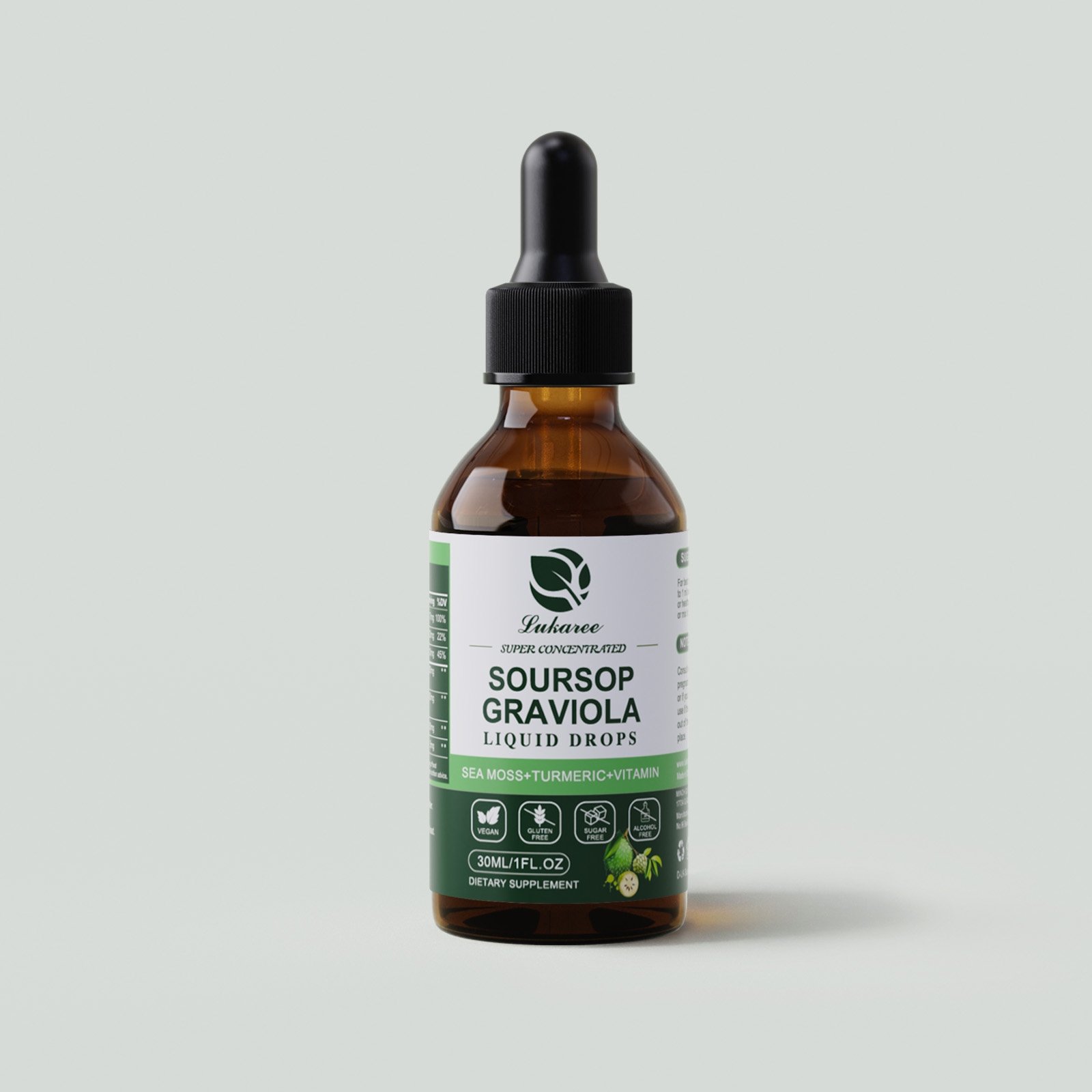
Liquid herbal extract drops skip the disintegration step because the actives are already dispersed before ingestion.
Frequently Asked Questions
Which certifications should I verify before buying a herbal supplement?
Start with two. In the United States, dietary supplements must comply with 21 CFR Part 111, the current Good Manufacturing Practice rule covering manufacturing, labeling, and holding (U.S. FDA). For independent verification, third-party certification is commonly checked through NSF/ANSI 173, which NSF International describes as the only national standard for dietary supplements. Both confirm process control and content integrity; neither measures absorption. Ask for lot-specific documentation rather than accepting a certification badge.
How do I compare bioavailability between liquid extracts and capsules?
Compare the mechanics rather than the marketing. A liquid herbal extract is already dissolved when ingested, so it skips the disintegration step that a capsule must complete. A capsule, however, holds a fixed, pre-measured dose that is easy to take consistently. In the U.S. gut health category, capsules still held a 42.6% share in 2024 while liquids were gaining traction for higher bioavailability (Grand View Research). The practical comparison is therefore dispersion advantage versus dosing consistency, weighed against the standardisation of the extract itself.
What are the best herbal capsules for daily wellness?
There is no single answer, because daily wellness covers several different goals. Define the criteria first and the shortlist follows: a standardised extract with a named marker compound, a stated extract ratio, a transparent excipient list, GMP-certified manufacturing, and third-party testing with lot-level documentation. Lukaree's capsule range, including its herbal cleanse capsules and daily wellness formulas, is manufactured in a GMP-certified facility and third-party tested, which means the criteria above can be checked against documentation rather than marketing language.
Does higher bioavailability justify a higher price?
Only if the dose is standardised. A more absorbable formula built on an undefined raw material still leaves you without a reference point. Compare cost per standardised dose rather than cost per bottle, and treat carrier systems such as liposomal delivery or oil-based formulas as technical inputs that may justify a price difference — but only when the label states what is being carried and at what concentration.
Can I validate a formula before committing to a full supply?
Yes, and it is the lowest-risk step in the sequence. Start with the smallest available size, confirm the format fits your routine, and request the third-party test documentation for that lot. Buyers evaluating Lukaree can begin with a single liquid extract or capsule format, review the certification documentation supplied with it, and scale only after both the format and the standardisation check out.
Conclusion
Bioavailability is not a single number, and any product that presents it as one is simplifying for marketing rather than for the buyer. The verifiable version of the question has four parts: is the extract standardised, does the delivery format reduce the barriers to absorption, does the carrier system serve the compound, and can the manufacturer evidence its process through GMP compliance and third-party testing?
Those four checks work on any brand, in any format, at any price tier. Applied consistently, they turn absorption claims from adjectives into parameters — and parameters are what a buyer can actually decide on.
Next step
If you are comparing liquid extracts and capsules for daily wellness, gut health, or stress support, review Lukaree's formulation and certification documentation before you buy, and start with a single format to validate fit.
Have Questions or Need More Details?
Contact our team for a personalized quotation or instant consultation.
Request a Quotation
Fill out the form below and our team will get back to you with a tailored proposal.
WhatsApp Direct Chat
Prefer to chat in real-time? Message us on WhatsApp for instant assistance & quick answers.
- Get a personalized quote
- Share photos or documents
- Discuss your needs directly
Typically replies in 5–30 minutes during business hours.