Herbal Supplements for Stress & Hormonal Balance: An Application Guide for Professionals
Herbal Supplements for Stress & Hormonal Balance: An Application Guide for Professionals
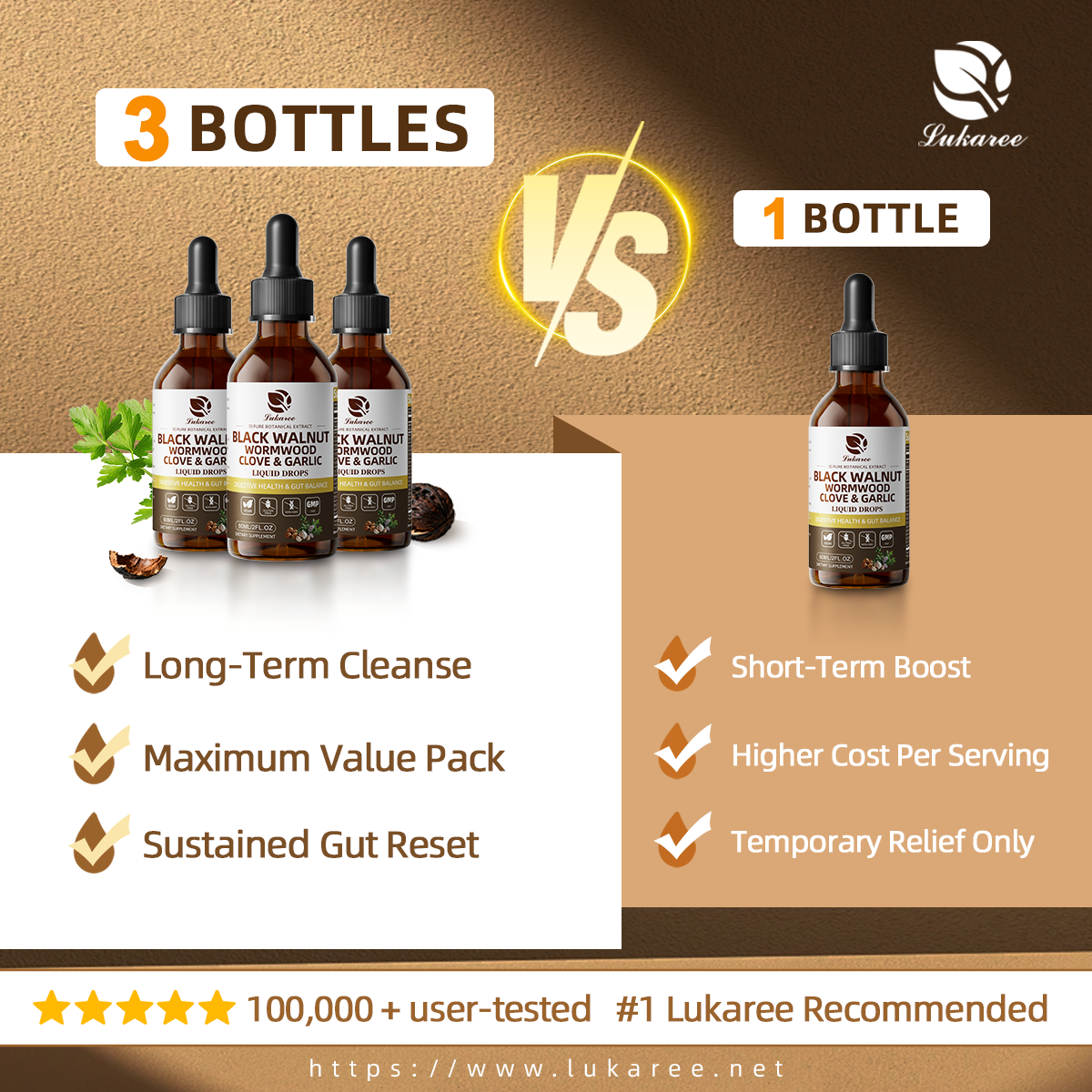
Choosing by application: format, botanical fit, and verifiable quality markers.
Mid-career professionals rarely have a supplement shortage. They have a matching problem: three or four half-used bottles on the counter, none of them selected against a defined requirement. Stress load, hormonal shifts, gut comfort and immune resilience are usually bought as four separate decisions, even when the same person is managing all four at once.
The practical answer is to buy by application, not by label prominence. Decide which system you are supporting, which botanical category fits that system, which delivery format you will genuinely use every day, and which quality markers you can verify before paying. Everything else — bottle design, front-label claims, discount depth — is secondary.
Lukaree is a herbal supplement brand whose stated mission is to advance physical and mental well-being, with a range built around liquid herbal extracts and herbal capsules for daily use. This guide takes that stated audience — working professionals — and maps real-world needs to product attributes rather than to brand claims. It is an application guide, not a brand comparison.
Problem Definition: Why Stress and Hormonal Balance Are One Buying Decision
A professional in their late thirties or forties does not experience stress and hormonal change as separate events. Sustained cognitive load flattens the daily cortisol rhythm, which then affects sleep quality, appetite regulation and gut motility. Hormonal transitions — perimenopause, thyroid shifts, post-pregnancy adjustment, or years of shift work — amplify the same loop from the opposite direction. Gut discomfort feeds back into mood and stress tolerance.
Search behaviour reflects the confusion. People look for supplements for stress one week, cortisol balance the next, and supplements to help with bloating the week after, as though these were unrelated purchases. In practice they are usually the same purchase, made three times.
Four failure points explain most disappointing herbal supplement purchases by busy professionals:
- Format mismatch. The product works on paper but does not fit the daily routine, so adherence collapses within two weeks.
- Botanical mismatch. A cleanse-oriented formula is bought for a stress goal, or a single-herb capsule is bought for a multi-system goal.
- Formulation opacity. Blends that do not disclose how much of each botanical is present per serving.
- Unverified quality. No evidence of manufacturing practice, testing regime, or batch-level consistency.
Defining the problem this way changes the selection criteria. The question stops being which bottle is cheapest or most visible, and becomes which format, botanical category and verification standard matches the system I am actually supporting.
Industry Background: What the Herbal Supplement Market Looks Like Now
Several verified data points frame the decision for buyers entering the category in 2026.
- The global herbal supplements market was valued at USD 42.3 billion in 2024, with North America holding a 26.3% revenue share (Grand View Research).
- Retail sales of herbal dietary supplements in the United States reached USD 13.231 billion in 2024, a 5.4% increase over 2023 (American Botanical Council).
- In the U.S. gut health supplements market, the capsuled segment led with a 42.6% share in 2024, while liquid forms are gaining traction for higher bioavailability (Grand View Research).
- Liquid dietary supplements are projected to grow at a CAGR of 13.4% from 2024 to 2030, driven by consumer preference for ease of swallowing and faster absorption (Grand View Research).
- The global parasite cleanse market is projected to reach USD 1.54 billion by 2026, with herbal products such as wormwood and black walnut dominating the North American segment (Global Growth Insights).
Format growth does not, however, guarantee product quality. In the United States, dietary supplements must comply with 21 CFR Part 111 (current Good Manufacturing Practice) covering manufacturing, labeling and holding (U.S. FDA). Third-party certification is commonly verified through NSF/ANSI 173, which NSF International describes as the only national standard for dietary supplements.
Market structure is also concentrated at the top: Grand View Research identifies Nature's Bounty, Gaia Herbs and NOW Foods among the leading global players in herbal wellness and organic categories. That is useful context for understanding what a retail shelf is made of, but it is not a substitute for evaluating a specific product against your own requirement set.
For professionals, the actionable part of this background is not the market size figure. It is the shift toward format-aware, verification-aware purchasing — precisely where an application-based selection process outperforms brand familiarity.
Detailed Solution: Matching Professional Needs to Herbal Supplement Attributes
The mapping below works backward from a need to an attribute set. Each scenario follows the same reasoning path: identify the system under load, select the botanical category that fits it, then choose the delivery format and verification level the use case demands.
Stress Load and Cortisol Rhythm
Stress support is the most common entry point into the category, and ashwagandha is among the most frequently sought botanicals here, sold as capsules, powders and liquid extracts. The attribute that decides outcomes is not the botanical name alone but consistency: a stress formula only works if it fits a fixed point in the day. Professionals who travel or work across time zones generally adhere better to a format they can take without water, which is one reason liquid extracts appear so often in daily-routine formulations.
Attributes worth checking in this category: whether the product is single-herb or a blend; whether the quantity of each botanical per serving is disclosed; whether the format supports daily adherence; whether added sugar is present if the dose is taken in the evening; and whether stress-support botanicals have been combined with stimulant-type ingredients that could work against sleep.
Hormonal Balance Support
Hormonal health formulas frequently combine several botanicals instead of relying on one, which makes label transparency the decisive attribute. A multi-herb product is only as useful as its disclosure. For someone managing a hormonal transition, the practical requirements are a fixed daily intake, a format that does not create digestive discomfort, and a formulation free of added sugar that would work against metabolic goals.
Gut Comfort, Bloating, and the Gut–Brain Loop
Gut health supplements and formulas aimed at bloating sit at the intersection of digestion and stress response. This is the category where format data is most instructive: capsules still led the U.S. gut health supplement market with a 42.6% share in 2024, but liquid formats are gaining traction specifically because of bioavailability and swallowing ease. For professionals who already take several capsules a day, a liquid addition can be easier to sustain than a fifth tablet.
Cleansing, Microbial Balance and Parasite Cleanse Formulas
Herbal cleanse, herbal detox and parasite cleanse supplements form their own cluster, typically built on wormwood drops, wormwood–black walnut–clove combinations, oregano oil and black seed oil. The projected growth of this segment — the global parasite cleanse market is projected to reach USD 1.54 billion by 2026, with wormwood and black walnut dominant in North America (Global Growth Insights) — has attracted both serious formulators and opportunistic ones. Here the attribute that matters is documentation: disclosed botanical quantities, a clear usage cycle rather than open-ended daily use, and a recommendation to discuss the protocol with a qualified healthcare professional.
Immune and Metabolic Baseline
The final cluster is baseline rather than target-driven: immune support supplements and metabolic botanicals such as Citrus Bergamot. These belong at the end of the decision sequence because they are maintenance layers. Buying them first, before the stress or gut driver is addressed, is a common sequencing error.
Priority Order: Five Application Areas Ranked by Need Frequency
The ranking below reflects how often each application area becomes the binding constraint for a working professional, based on the scenario logic above. It is an application ranking, not a product or brand ranking.
- Daily stress and cortisol-rhythm support. Highest frequency, because it affects sleep, appetite and adherence to everything else.
- Gut comfort and bloating management. Second because discomfort is immediate and visible, and because it interlinks with stress response.
- Hormonal balance support. Third because it usually requires the longest consistent intake window, so format fit matters more than speed of effect.
- Periodic cleanse and microbial balance. Fourth because it is cycle-based rather than daily, and should be supervised.
- Immune and metabolic baseline. Fifth because it is a maintenance layer that pairs with, rather than replaces, the four above.
Step-by-Step Breakdown: A Seven-Step Selection Process
- Define the target system and the observable pattern. Write down what you are actually managing — afternoon energy collapse, sleep interruption, bloating after meals, cycle-related symptoms. A named pattern selects the category for you.
- Match the botanical category to that target. Stress patterns point to adaptogen-type botanicals such as ashwagandha; gut patterns point to gut health formulas; hormonal patterns point to multi-botanical support; periodic cleansing points to wormwood, black walnut, clove, oregano oil or black seed oil combinations.
- Choose the format that fits your day. Liquid herbal extracts and drops suit people who travel, skip breakfast, or already take multiple capsules. Herbal capsules suit fixed routines and precise dosing without carrying a dropper.
- Interrogate absorption claims. Liposomal delivery and headline absorption percentages — including claims such as 98% absorption — are marketing-visible attributes. Ask how the figure was generated and under what conditions, and treat unsupported percentages as a red flag rather than a benefit.
- Screen the formulation for sugar and unnecessary excipients. A sugar-free formulation is a practical requirement for anyone managing metabolic markers or taking a dose close to bedtime.
- Verify the quality infrastructure. Look for manufacturing under 21 CFR Part 111 current Good Manufacturing Practice, and for third-party testing aligned with the NSF/ANSI 173 standard. A supplier that can describe its facility and testing regime in specific terms is easier to trust than one that only uses the word pure.
- Run a structured trial and reassess. Fix one variable at a time, keep the format constant for the trial window, log the observable pattern you defined in step one, and only then decide whether to continue, switch format, or stop.
Use Cases: Three Professional Scenarios
The office-based manager with a persistent stress load
Long meetings, late screens and a shortened sleep window. The relevant attributes are a stress-oriented botanical category, a format that can be taken without water at a fixed time, no added sugar if the dose lands in the evening, and no stimulant-type ingredients that would compound the sleep problem. The likely failure mode is an unused bottle, not an ineffective botanical.
The consultant with irregular meals and recurring bloating
Frequent travel, restaurant meals and unpredictable timing. The relevant attributes are a gut-oriented formula, portability, and a format that does not require food. A liquid extract in a small dropper bottle often outperforms a capsule regimen here purely on adherence logistics.
The professional navigating a hormonal transition
Symptoms that build over months rather than days. The relevant attributes are a multi-botanical formula with fully disclosed quantities, a sugar-free base, a format compatible with an existing daily routine, and a realistic expectation-setting window measured in weeks of consistent intake.
Comparison Table: Liquid Herbal Extracts vs. Herbal Capsules

Liquid drops and capsules solve different adherence problems.
| Evaluation criterion | Liquid herbal extracts (drops) | Herbal capsules |
|---|---|---|
| Daily routine fit | No water required; convenient for travel and irregular schedules | Fixed dosing; suits an established routine |
| Market momentum | Liquid dietary supplements projected to grow at a 13.4% CAGR from 2024 to 2030 (Grand View Research) | Capsules led the U.S. gut health supplements market with a 42.6% share in 2024 (Grand View Research) |
| Consumer preference driver | Ease of swallowing and faster absorption (Grand View Research) | Portability and no taste exposure |
| Absorption design | Liposomal delivery and absorption percentages (for example, 98% claims) require substantiation from the brand | Depends on botanical form and excipient profile |
| Dose flexibility | Adjustable in small increments | Fixed per capsule |
| Sugar-free requirement | Verify the base liquid is sugar free | Verify no sugar-based excipients |
| Quality infrastructure (applies to both) | Manufacturing under 21 CFR Part 111 cGMP; third-party testing aligned with NSF/ANSI 173 | Manufacturing under 21 CFR Part 111 cGMP; third-party testing aligned with NSF/ANSI 173 |
| Common formulation applications | Single-botanical drops such as ashwagandha or wormwood; multi-herb liquid blends | Multi-herb capsules such as wormwood, black walnut and clove combinations |
Frequently Asked Questions
What are the most trusted herbal supplement options online?
Trust should be assessed by verifiable markers rather than by visibility or scale. The global herbal supplements market was valued at USD 42.3 billion in 2024 with North America holding a 26.3% revenue share (Grand View Research), so a large category presence says nothing about a specific product. Three checks do: manufacturing under 21 CFR Part 111 current Good Manufacturing Practice, third-party testing aligned with the NSF/ANSI 173 standard, and full disclosure of each botanical quantity per serving. A brand that can describe its facility, its testing regime and its formulation in specific terms is a more defensible choice than one relying on promotional adjectives.
Do liquid herbal extracts absorb better than capsules?
Liquid dietary supplements are projected to grow at a CAGR of 13.4% from 2024 to 2030, a trend attributed to consumer preference for ease of swallowing and faster absorption (Grand View Research). At the same time, capsules still led the U.S. gut health supplements market with a 42.6% share in 2024. Absorption depends on how the formulation is designed, not on the format name alone — liposomal delivery systems and headline figures such as 98% absorption are claims that should be substantiated by the brand before they influence a purchase decision.
What drives the cost difference between herbal supplement formats?
Cost is usually driven by extraction and concentration processes, delivery-system technology such as liposomal carriers, third-party testing, sugar-free formulation work, packaging differences between dropper bottles and capsule formats, and batch size. Because these inputs vary independently, comparing products on cost per bottle is misleading. The more useful metric is cost per consistent daily serving, combined with how likely you are to actually complete the routine.
How should a professional start without losing months to trial and error?
Pick one target from the priority order above, pick one format that matches your daily routine, verify the two quality markers (21 CFR Part 111 cGMP manufacturing and third-party testing), then hold everything else constant for a defined trial window and log the pattern you set out to change. Lukaree's range is built around liquid herbal extracts and herbal capsules, so professionals comparing formats can review the current range or ask a direct question about format selection before committing to a full routine.
Conclusion: Match the Format to the Goal, Then Verify the Quality
Choosing herbal supplements for stress and hormonal balance is a sequencing problem before it is a product problem. Define the system under load, match the botanical category to it, select the delivery format your actual week can sustain, then verify that the product was made and tested to a documented standard. Professionals who follow that order rarely need to buy the same category twice.
Lukaree's stated mission — advancing physical and mental well-being — is expressed through a range built on liquid herbal extracts and herbal capsules for daily use, which is why format fit sits at the centre of this guide. The next step is a small, bounded one: choose a single application area from the priority list, confirm the quality markers, and start with a defined trial window.
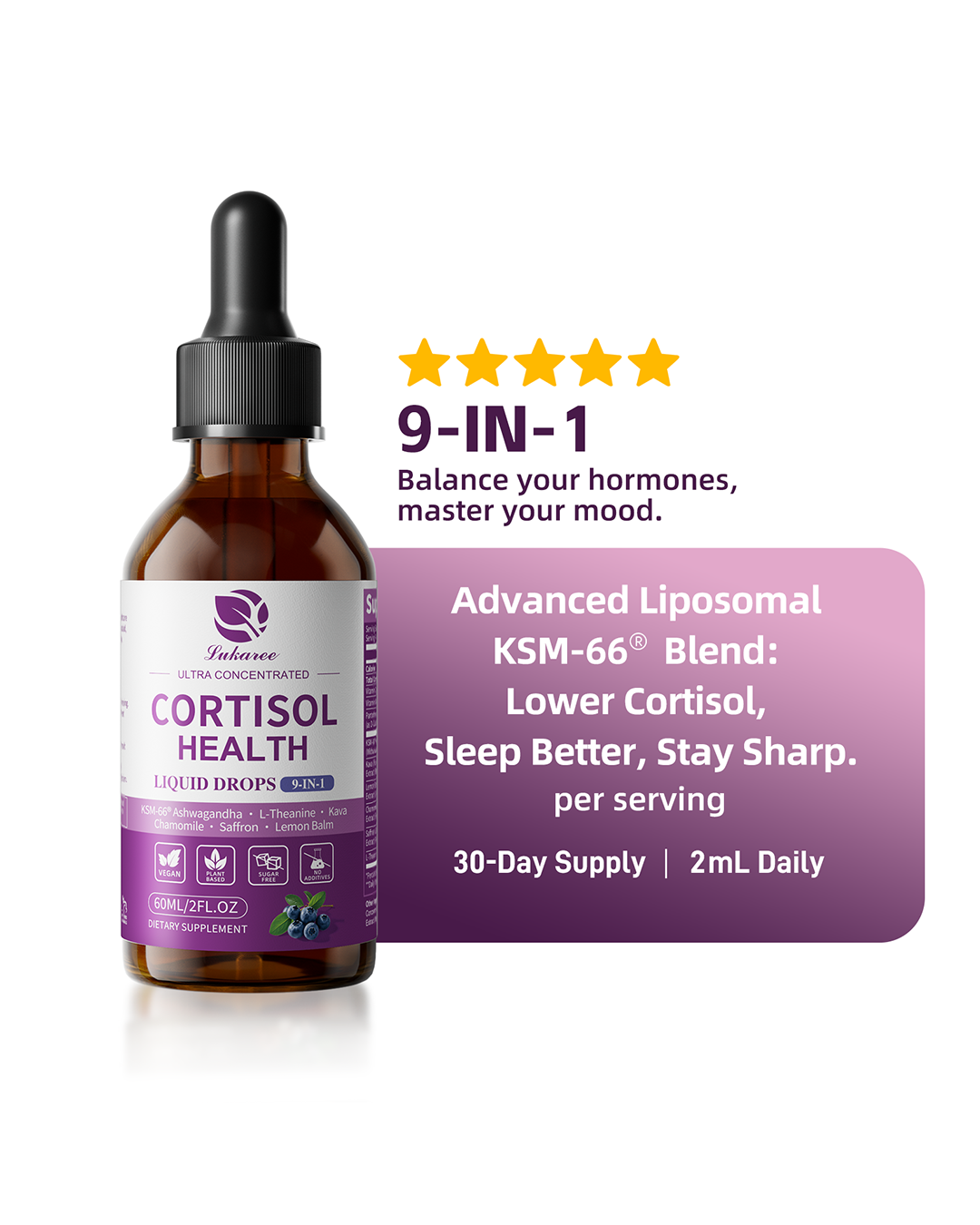
Verify manufacturing practice and third-party testing before you commit to a routine.
Have Questions or Need More Details?
Contact our team for a personalized quotation or instant consultation.
Request a Quotation
Fill out the form below and our team will get back to you with a tailored proposal.
WhatsApp Direct Chat
Prefer to chat in real-time? Message us on WhatsApp for instant assistance & quick answers.
- Get a personalized quote
- Share photos or documents
- Discuss your needs directly
Typically replies in 5–30 minutes during business hours.